End of Tenancy Cleaning Laws in the UK (England, 2026)
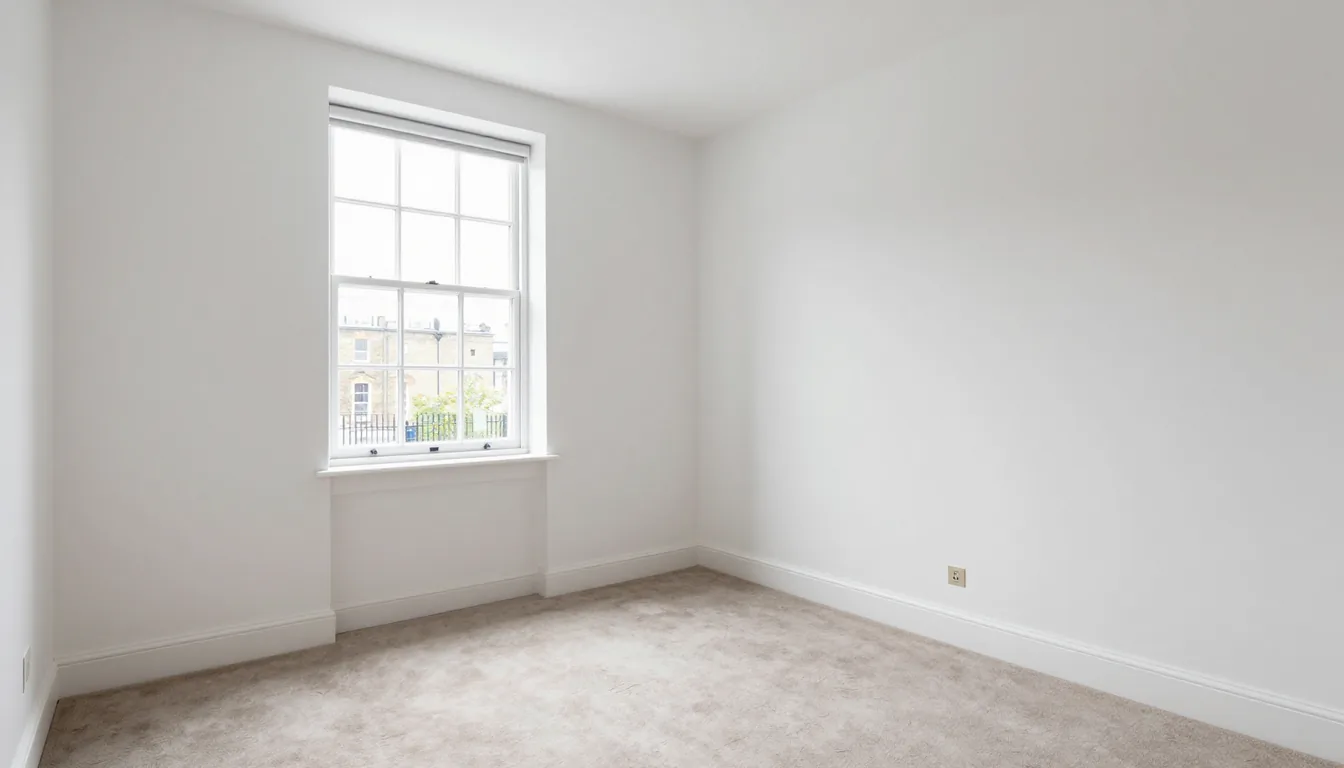
No law makes you hire a professional cleaner at the end of your tenancy, but you must return the property in the condition you found it, allowing for fair wear and tear. This is the basic rule for anyone who leaves a rental property in England. The cleaning side can feel confusing, so this guide sets out the legal framework in plain terms.
What the law requires of you
When your tenancy ends, your main duty is to return the property in the same state as when you moved in. Your check-in inventory report, which you receive at the start of the lease, usually sets that standard. For example, if you received the property with professionally cleaned carpets or a sparkling oven, you need to return it to that same standard.
However, you do not pay for fair wear and tear. That term means the natural wearing of a property through reasonable use. Slight scuffs on a hallway wall or paint that fades in the sun are typical cases, and you cannot be held financially responsible for these minor changes. Therefore, review our end of tenancy cleaning checklist next to your original inventory to spot exactly what needs attention.
What landlords and agents can and cannot do
Since 2019, the Tenant Fees Act 2019 has limited what landlords and agents can charge tenants. Under its guidance, a landlord or agent cannot require you to pay for a professional clean at check-out. That includes a professional deep clean.
Instead, they can ask for the property to come back at a professional standard. While they cannot name a cleaning company, they can expect the result to match the property you received. If you leave the property in an unfit condition, landlords and agents can recover the actual costs of restoring it. As a result, they must justify any deduction they make from your deposit.
Can they force a particular cleaner?
A landlord or agent may suggest a specific cleaning firm. However, under the same guidance, they cannot make you use a particular company. You can choose your own provider to suit your standards and budget.
Our guide on whether a landlord can charge for end of tenancy cleaning gives more context. In the end, the goal is to match the condition in the check-in report, whoever does the work. Our post on whether end of tenancy cleaning is mandatory covers the same point from the tenant’s side.
Deductions and the deposit schemes
Your security deposit has legal protection. In England, your landlord must place it in a government-approved scheme within 30 days of receiving it. The schemes are the Deposit Protection Service, MyDeposits and the Tenancy Deposit Scheme.
If you dispute a cleaning charge, the scheme keeps the deposit protected until the dispute ends. Once you and your landlord agree the amount, the landlord must return the deposit within 10 days. Our guide on how long your deposit takes to come back explains the timeline. Landlords cannot claim deductions for fair wear and tear, so read what counts as fair wear and tear before you accept a figure.
Therefore, keep evidence such as dated photos and messages that show the condition of the property when you left. If you think a deduction is unfair, learn how to challenge a cleaning deduction through the official dispute process.
Changes from the Renters’ Rights Act
It pays to stay informed about changing rules. From 1 May 2026, the Renters’ Rights Act brought big changes to renting in England. Most existing assured shorthold tenancies became assured periodic tenancies, and tenancies can no longer have a fixed end date. Furthermore, the Act ended “no fault” Section 21 evictions.
To end a tenancy under the new rules, a tenant must give at least 2 months’ notice in writing. The tenant must give that notice on the day rent is due or the day before. The gov.uk tenant overview gives good general information, but it does not mention changes to cleaning or deposits. Therefore, the cleaning rules still come from the Tenant Fees Act guidance, and you can check gov.uk for updates.
Practical steps for a smooth handover
Moving out is stressful, but a clear plan helps. Because cleaners can work without you, you do not need to be there if you hire professionals. Most people arrange access through their letting agent or hand over the keys.
If you clean the property yourself, focus on these key areas. Our guide on what an end of tenancy clean includes lists every task. Because inventory clerks check the kitchen and bathrooms first, start there.
- The kitchen: Degrease the oven, hob and extractor. Clean the inside of the fridge, the freezer and all cupboards.
- Bathrooms: Descale the tiles, grout and fittings. Leave no limescale on taps or showerheads.
- Surfaces and skirting: Wipe down skirting boards, doors and light fittings.
- Windows: Clean the internal panes thoroughly.
- Floors: Vacuum all carpets and mop hard floors.
If nobody has cleaned the property for a long time, though, consider deep cleaning instead of a standard clean. A deep clean goes further, with scrubbed tile grout and the space behind large appliances. If your carpets need more than a vacuum, you may want professional carpet cleaning. Our guide on the difference between an end of tenancy clean and a deep clean helps you choose.
Because we stand behind our work, our end of tenancy cleaning comes with a 72-hour re-clean guarantee. If your agent or landlord flags an issue within 72 hours, we return and re-clean the area free of charge. We work 7 days a week, from end of tenancy cleaning in Wandsworth to our Islington cleaning team and deposit-back cleaning in Putney.
You can view our prices online, and we offer fixed, all-in pricing. For a price for your own property, request a free quote today. We cover every London borough.
Frequently asked questions
What are the end of tenancy cleaning laws UK?
In England, the law says you must return the property in the same condition as at the start of your tenancy, allowing for fair wear and tear. Your landlord cannot force you to use a specific cleaning company or pay for a professional deep clean.
Can a landlord deduct cleaning costs from my deposit?
A landlord can only make deductions if you do not return the property in its original condition, excluding fair wear and tear. They must provide evidence and justify the cost of restoring it.
Is professional oven cleaning mandatory?
No, the law does not require a professional oven clean. However, you must leave the oven as clean as you found it to avoid deposit deductions.
How long does it take to get my deposit back?
Once you and your landlord agree on the amount, the landlord must return the deposit within 10 days. If you dispute it, the money stays protected in a government-approved scheme until the dispute ends.
End of Tenancy Cleaning London
Deposit-back end of tenancy cleaning specialists covering every London borough.