Is End of Tenancy Cleaning Mandatory? Who Is Responsible?
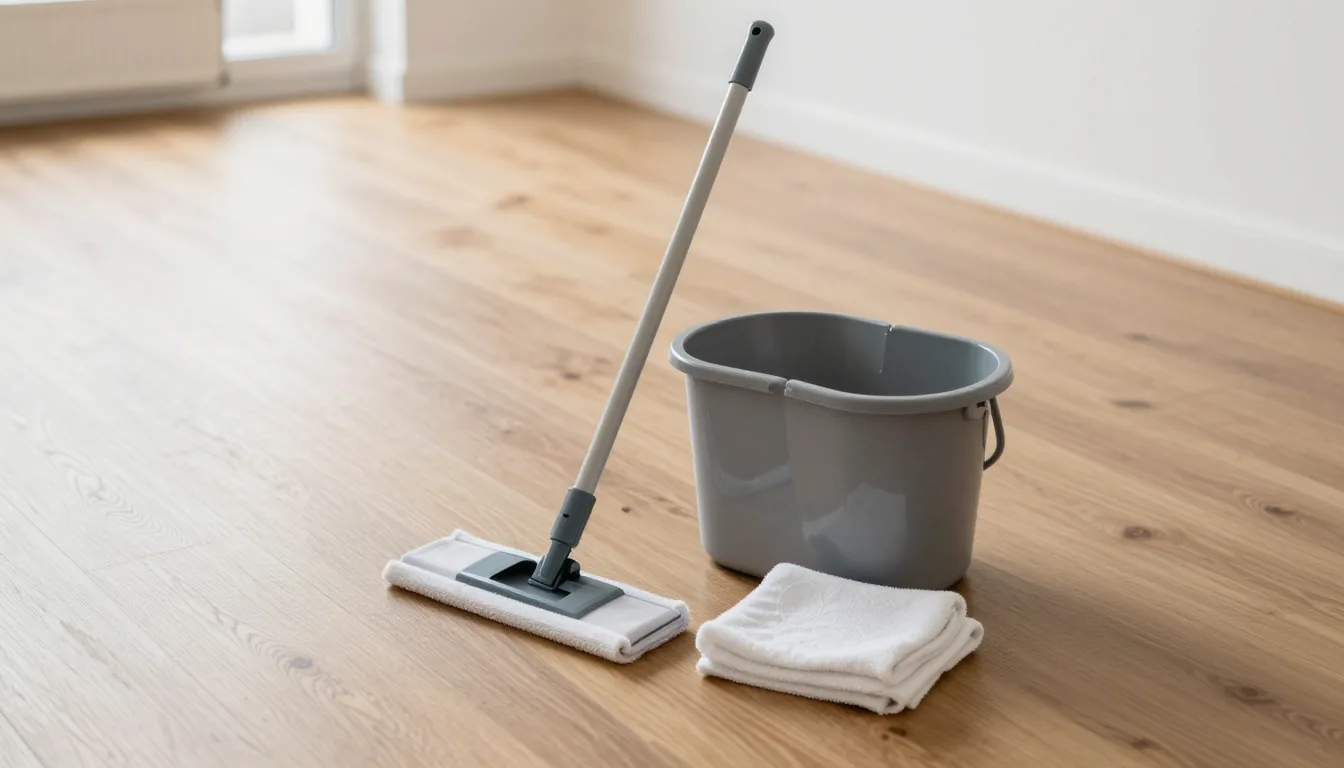
End of tenancy cleaning is not mandatory by law, but you, the tenant, must return the property in the condition you found it, aside from fair wear and tear. This difference matters when you prepare to leave a rental in London. You may feel pressure to hire a specific company, yet the law gives you some protection.
Is end of tenancy cleaning mandatory?
To answer directly, the law does not force you to hire a professional cleaning service. However, you must return the property at the same level of cleanliness as when your tenancy began. If you moved into a professionally cleaned home, you need to leave it in that same condition.
Under the Tenant Fees Act 2019, GOV.UK’s guidance says your landlord cannot require you to pay a regular cleaning fee or to pay for a professional clean when you move out. “Landlord” includes letting agents. What you must do is return the property in the same condition as when you moved in, allowing for normal wear and tear, and you choose how to reach that standard.
If you return the property in the same condition you found it, the landlord cannot claim cleaning deductions from your deposit. However, if you leave it in a worse condition than when you moved in, your landlord may be able to recover the costs from your deposit or by claiming damages. Therefore, knowing your duties is the best way to protect your money. Our guide on the end of tenancy cleaning laws in England covers the full legal picture.
Who is responsible for end of tenancy cleaning?
The answer often depends on the state of the property at the start of the lease. In general, though, the tenant must clean the property back to its original state.
The role of the tenant
You must leave the property clean. That includes areas people often forget, such as inside cupboards, skirting boards and light fittings. For example, the kitchen needs attention to the oven, hob and extractor fan. If you skip this, the landlord may try to claim cleaning costs from your deposit.
The role of the landlord
The landlord looks after maintenance and deals with fair wear and tear. Deposit schemes describe fair wear and tear as the result of reasonable use of the premises by the tenant and the ordinary operation of natural forces. For instance, a slight scuff on a wall or a worn carpet in a busy hallway counts as normal wear. Landlords cannot claim deductions for these natural changes, and our guide to what counts as fair wear and tear lists more examples.
The role of the agent
Many London properties have a letting agent, and since agents often carry out the check-in and check-out inventories, their report matters. If you disagree with their report, you can raise the matter with your deposit scheme.
Understanding your cleaning options
You have several ways to meet your duties when you move out. However, each one suits a different budget and timetable.
- DIY cleaning: You clean the whole property yourself. This costs least, but it takes a lot of time. Use an end of tenancy cleaning checklist so you miss nothing.
- Professional end of tenancy clean: This full service targets the standard that agents expect. Our team covers every London borough, from end of tenancy cleaning in Clapham to our Richmond cleaning team and deposit-back cleaning in Brixton.
- Specialist add-ons: Sometimes you only need help with hard jobs. You might book standalone oven cleaning or carpet cleaning to back up your own effort.
- Deep cleaning: If nobody has cleaned the property for a long time, deep cleaning goes further. It scrubs tile grout and cleans behind large appliances.
While the two main services overlap, our guide to the difference between an end of tenancy clean and a deep clean compares them. The full list of tasks is in what an end of tenancy clean includes.
How to protect your deposit
Your deposit is a large sum, so protect it. In England, your landlord must protect it in a government-approved scheme within 30 days of receiving it. The schemes include the Deposit Protection Service, MyDeposits and the Tenancy Deposit Scheme.
If you dispute a cleaning charge, the scheme keeps the deposit protected until you settle it. Because the scheme weighs proof, gather this evidence to build the strongest case.
- The original check-in inventory report.
- The check-out report from the agent.
- Dated photos from the day you moved in.
- Dated photos from the day you moved out.
- Receipts for any cleaning services you hired.
A landlord who makes a deduction must justify it. However, if you think a deduction is unfair, you can challenge a cleaning deduction through the protection scheme. Once you agree on the figure, read how long your deposit takes to come back.
Professional cleaning vs DIY
Many tenants ask how long an end of tenancy clean takes. It depends on the size of the property. For instance, a 1-bed flat takes about 3 to 4 hours, while a 3-bed house may take 6 to 8 hours. However, a team of two or three cleaners can roughly halve that time.
If you hire professionals, look for a firm that offers a guarantee. We give a 72-hour re-clean guarantee, and if your agent or landlord flags anything within 72 hours of our visit, we return and re-clean it for free. Because the guarantee covers a full three days, an inspection soon after we finish still leaves you safe.
Because prices vary with size, check our prices for different property sizes. Whether you need a full end of tenancy cleaning or one specific service, get a free quote before you start.
Frequently asked questions
Is end of tenancy cleaning mandatory?
End of tenancy cleaning is not mandatory by law, but you must return the property in the condition you found it. Nobody can make you use a specific company, yet you must meet the cleanliness standard from the start of your tenancy.
Can a landlord charge for cleaning?
A landlord can only charge for cleaning if, for example, you do not return the property in its original condition, excluding fair wear and tear. They must justify the deduction with evidence, such as an inventory report.
What is fair wear and tear?
Fair wear and tear is the natural wearing of a property through reasonable use. Slight carpet thinning in hallways and minor scuffs on walls are examples, and you do not pay for them.
Do I need to be present during the clean?
No, you do not need to be there. Most customers hand over the keys or arrange access through their letting agent.
End of Tenancy Cleaning London
Deposit-back end of tenancy cleaning specialists covering every London borough.